

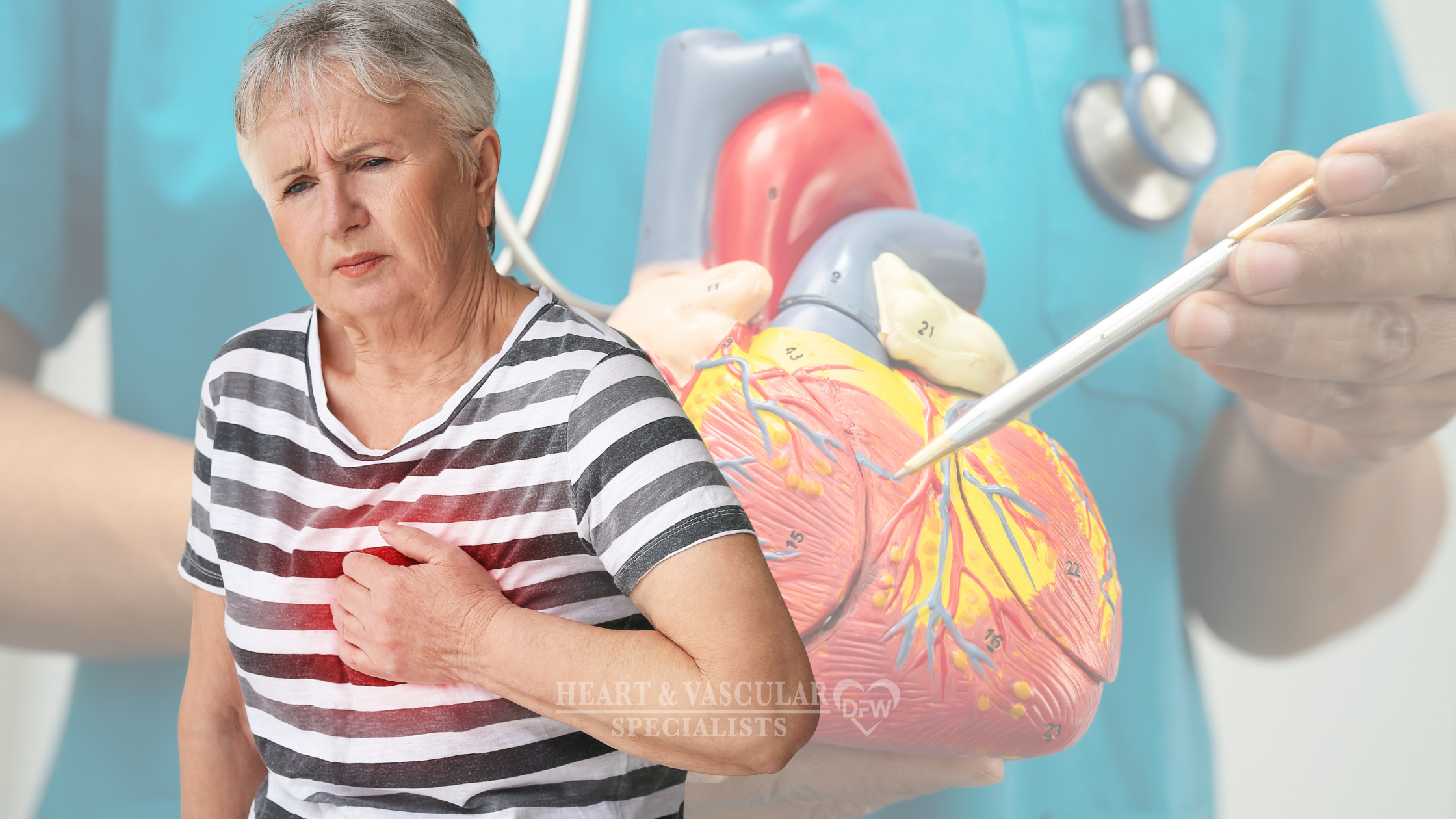
Heart Risks Due to PAD?
Learn how PAD Increases Your Risk of Heart Attack and Stroke
Peripheral Artery Disease (PAD) is often misunderstood as a condition affecting only the legs. In reality, it is a systemic vascular disease that significantly increases your risk of heart attack and stroke.
Many patients overlook early PAD symptoms, not realizing they are warning signs of widespread arterial disease.
What Is PAD?
PAD occurs when plaque builds up in arteries, restricting blood flow.
These blockages don’t just affect your legs — they often signal disease throughout your entire cardiovascular system.
The Systemic Nature of PAD
PAD is caused by atherosclerosis — the same process that leads to heart attacks and strokes.
If PAD is present:
- Plaque likely exists in heart arteries
- Blood flow to the brain may also be affected
Early PAD symptoms are often the first sign of this systemic condition.
Heart Risks Due to PAD: How it increases risks
When arteries supplying the heart become blocked:
- Oxygen supply decreases
- Blood flow is restricted
- Risk of clot formation increases
Patients with PAD symptoms are at significantly higher risk of heart attack.
How PAD Increases Stroke Risk
PAD also increases stroke risk by:
- Narrowing arteries to the brain
- Increasing likelihood of blood clots
- Reducing oxygen supply
Ignoring PAD symptoms can allow these risks to progress silently.
Key Statistics
- PAD increases heart attack risk by 2–6x
- Stroke risk is significantly elevated
- Many patients have undiagnosed cardiovascular disease

Why PAD Often Goes Undetected
Many patients:
- Ignore symptoms
- Assume leg pain is normal
- Don’t associate symptoms with heart risk
Subtle PAD symptoms are often missed until complications occur.
Common PAD Symptoms to Watch For
- Leg pain when walking
- Cold or numb feet
- Slow-healing wounds
- Weak pulses
Recognizing PAD symptoms early allows for timely intervention.
The Importance of Early Screening
Early detection helps:
- Prevent heart attack
- Reduce stroke risk
- Improve circulation
- Extend lifespan
How We Evaluate Risk
At Heart & Vascular Specialists DFW, we assess:
- Blood pressure
- Cholesterol
- Circulation (ABI testing)
- Vascular imaging
Treatment Reduces Risk
Treatment options include:
- Medications
- Lifestyle changes
- Minimally invasive procedures
Managing PAD symptoms reduces overall cardiovascular risk.

Why Choose Heart & Vascular Specialists DFW?
We provide:
- Integrated heart and vascular care
- Advanced diagnostics
- Personalized treatment plans
Serving Dallas–Fort Worth communities, we focus on prevention and long-term health.
Take Action Today
If you have PAD symptoms or circulation issues, don’t wait.
At Heart & Vascular Specialists DFW, recognizing PAD early allows us to intervene before serious damage occurs — protecting not just your legs, but your heart and brain as well.
Schedule an appointment today.