

Understanding the Link Between PAD and Heart Disease
In this comprehensive guide, we’ll explore how PAD is diagnosed, the tests you should know about, and the critical link between PAD and heart disease.
By understanding these connections, you can take proactive steps toward your vascular health.
Peripheral Artery Disease (PAD) is a common yet often overlooked condition that affects millions of Americans. If left untreated, PAD can lead to serious complications, including heart attack, stroke, and limb amputation.
At Heart & Vascular Specialists DFW, we prioritize early diagnosis and effective treatment, helping patients protect their heart health and improve quality of life.
Table of Contents
What is Peripheral Artery Disease (PAD)?
PAD occurs when the arteries that carry blood to your limbs become narrowed or blocked due to atherosclerosis—the buildup of fatty deposits called plaque. This reduced blood flow often leads to leg pain, cramping, numbness, or slow-healing wounds. While PAD can affect anyone, certain risk factors increase susceptibility:
- Diabetes
- High blood pressure
- High cholesterol
- Smoking
- Obesity
- Age 50+
PAD is more than a limb problem—it’s a warning sign that your arteries throughout your body, including your heart, may be compromised.
Understanding the Link Between PAD and Heart Disease
PAD and heart disease share the same root cause: atherosclerosis. When plaque builds up in the arteries of your legs, it often exists in the arteries of your heart and brain as well. This means:
- Patients with PAD have a higher risk of heart attack and stroke
- Early detection of PAD can help prevent cardiovascular complications
- Treating PAD can improve overall vascular health
Recognizing PAD symptoms and seeking timely diagnosis isn’t just about limb health—it’s a critical step in protecting your heart.
Symptoms of PAD to Watch For
PAD can be silent in the early stages, but some warning signs include:
- Leg pain or cramping during walking or exercise (claudication)
- Numbness or weakness in the legs
- Coldness in the lower leg or foot
- Sores or wounds on toes, feet, or legs that heal slowly
- Changes in leg color or hair loss
If you experience any of these symptoms, scheduling a diagnostic evaluation is essential. Early detection can prevent complications and improve your long-term health.
How PAD is Diagnosed: Tests You Should Know About
Diagnosing PAD typically involves a combination of physical exams, non-invasive tests, and imaging studies. Here are the most common diagnostic methods:
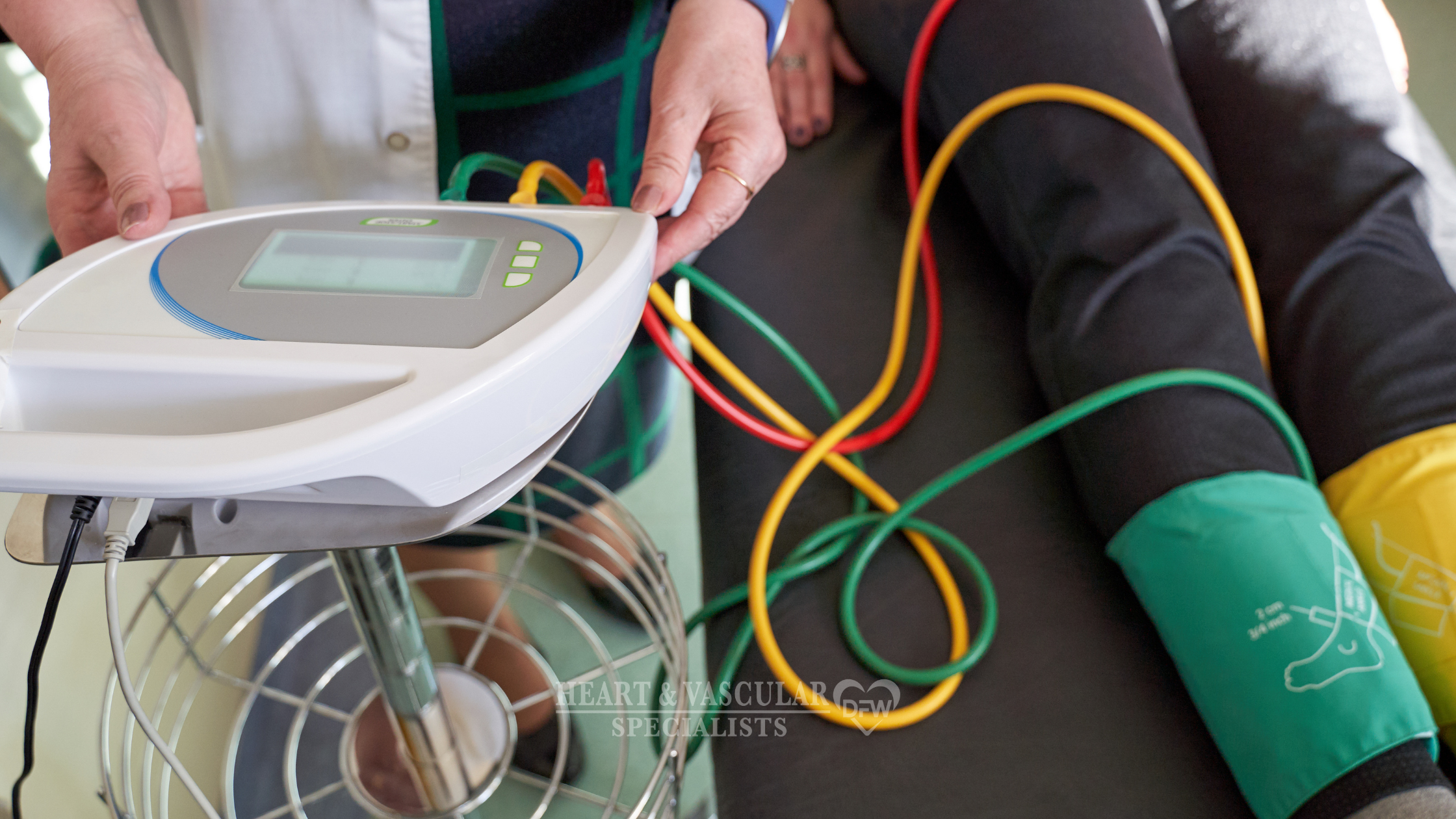
1. Ankle-Brachial Index (ABI)
The ABI is a simple, painless test that compares blood pressure in your ankle to blood pressure in your arm. A lower ankle pressure may indicate PAD. This test is often the first step in diagnosis and can detect PAD before symptoms become severe.
2. Ultrasound (Doppler)
A Doppler ultrasound uses sound waves to visualize blood flow in your arteries. It can identify blockages or narrowing, helping doctors determine the severity and location of PAD.
3. Angiography
For more detailed imaging, angiography involves injecting a contrast dye into the blood vessels and using X-ray or MRI to observe circulation. This test is particularly useful for planning interventions like stenting or surgery.
4. Blood Tests
Blood tests can check for cholesterol levels, diabetes, and markers of inflammation, which are all risk factors for PAD. These results help guide treatment plans.
5. Exercise Stress Tests
Sometimes, PAD symptoms only appear during activity. Treadmill or walking tests monitor leg function and blood flow during exercise, helping detect exercise-induced PAD.
Why Early Diagnosis Matters
Early PAD diagnosis allows for:
- Preventing heart attack and stroke
- Avoiding limb-threatening complications
- Implementing lifestyle changes and medications that improve circulation
- Planning minimally invasive procedures if needed
At Heart & Vascular Specialists DFW, our team uses advanced diagnostic tools to ensure timely detection, offering patients peace of mind and proactive treatment plans.
Treatments Available for PAD
PAD management depends on severity. Options include:
- Lifestyle modifications: Exercise programs, smoking cessation, and diet changes
- Medications: Blood thinners, cholesterol-lowering drugs, and medications to improve circulation
- Interventional procedures: Angioplasty, stenting, or bypass surgery for severe cases
Our specialists at Heart & Vascular Specialists DFW create personalized treatment plans to address your unique needs and reduce cardiovascular risk.
Why Choose Heart & Vascular Specialists DFW?
Choosing the right vascular care provider is critical for early diagnosis and effective management. Here’s why patients in the DFW area trust us:
- Experienced Cardiologists and Vascular Specialists – Our board-certified doctors have extensive experience diagnosing and treating PAD and related heart conditions.
- Advanced Diagnostic Tools – We utilize the latest imaging and non-invasive tests for accurate detection.
- Patient-Centered Care – Every treatment plan is tailored to your lifestyle, health goals, and risk factors.
- Comprehensive Cardiovascular Care – From PAD to heart disease, we address all vascular health concerns under one roof.
- Proven Track Record – Our patients experience improved circulation, reduced symptoms, and peace of mind knowing their vascular health is in expert hands.

Take Action: Schedule Your Appointment Today
If you’re experiencing leg pain, numbness, or other PAD symptoms—or if you want to assess your cardiovascular risk—don’t wait. Early diagnosis can save your heart and your limbs.
Scheduling an appointment is simple:
- Call our office at [insert phone number]
- Use our online appointment scheduler for convenient booking
- Visit us at our DFW location for a comprehensive PAD evaluation
Your vascular health matters. Trust Heart & Vascular Specialists DFW to help you live a healthier, more active life.
Conclusion: How PAD is Diagnosed
PAD is more than leg pain—it’s a warning sign for heart disease. Early diagnosis is crucial to prevent complications, improve circulation, and protect your cardiovascular health. At Heart & Vascular Specialists DFW, our expert team provides advanced diagnostic testing, personalized treatment, and compassionate care to help you live a healthier life.
Don’t wait until symptoms worsen. Schedule your PAD evaluation today and take the first step toward better vascular health.