


Feeling your heart race, flutter, skip beats, or pound unexpectedly can be unsettling. For many people, heart palpitations happen once and disappear. For others, they occur repeatedly and raise an important question:
Is this something serious—or just harmless?
The answer isn’t always obvious. While many palpitations are benign, others may be signs of an underlying heart rhythm disorder (arrhythmia) that deserves medical evaluation. Understanding what palpitations are, what causes them, and when to seek care can help you protect your heart and gain peace of mind.
At Heart & Vascular Specialists DFW, we regularly evaluate patients who are unsure whether their symptoms warrant a cardiology visit.
Table of Contents
This guide will help you recognize arrhythmia symptoms, understand conditions like atrial fibrillation, and know when it’s time to schedule a cardiac evaluation.
What Are Heart Palpitations?
Heart palpitations are the awareness of your heartbeat. You may feel them as:
Fluttering
Racing or rapid heartbeat
Skipped or extra beats
Thumping or pounding in the chest
A sensation of the heart “flipping”
Palpitations can occur while resting, exercising, lying down, or during stress. They may last seconds, minutes, or longer.
Importantly, palpitations describe a symptom—not a diagnosis. The underlying cause can range from harmless to medically significant.
Common Causes of Heart Palpitations
Palpitations can originate from the heart—or from non-cardiac factors. Determining the cause requires careful evaluation, especially if symptoms are recurring or associated with other concerns.
Non-Cardiac Causes
Stress or anxiety
Caffeine or energy drinks
Dehydration
Certain medications
Hormonal changes (including menopause or thyroid issues)
Poor sleep
These triggers may cause temporary changes in heart rhythm and often resolve once addressed.
Cardiac Causes
Premature atrial or ventricular contractions (PACs, PVCs)
Supraventricular tachycardia (SVT)
Atrial fibrillation
Atrial flutter
Bradycardia (slow heart rhythms)
Ventricular arrhythmias
Cardiac causes are more likely when palpitations are frequent, persistent, or accompanied by other symptoms.
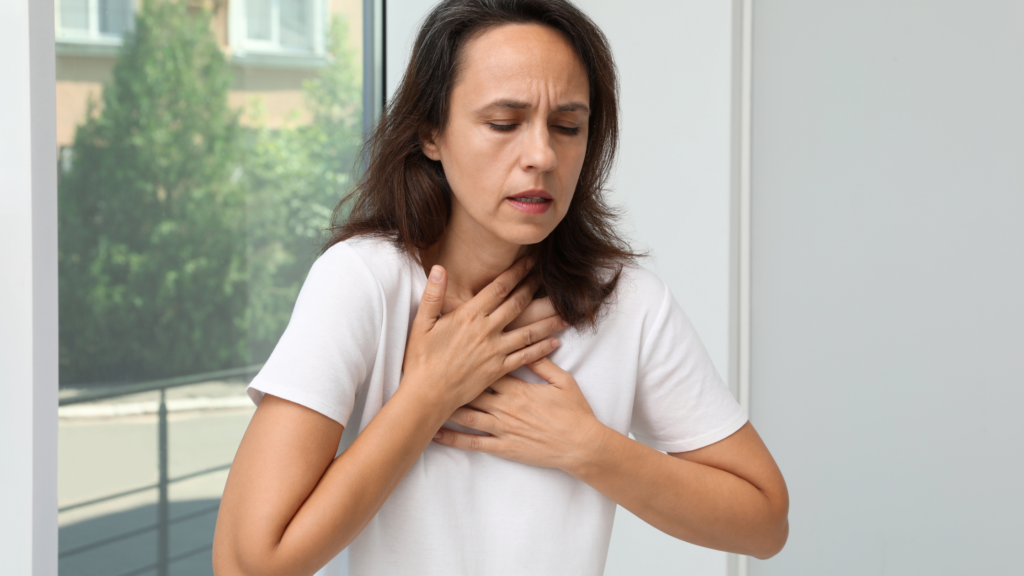
Arrhythmia Symptoms: Signs You Should Pay Attention To
An arrhythmia is a disturbance in the heart’s electrical system, causing the heart to beat too fast, too slow, or irregularly.
Common Arrhythmia Symptoms
Palpitations or fluttering
Shortness of breath
Fatigue or weakness
Lightheadedness or dizziness
Chest discomfort
Reduced exercise tolerance
Some arrhythmias cause minimal symptoms, while others can significantly impact daily life or increase the risk of complications if left untreated.
Understanding Atrial Fibrillation (AFib)
Atrial fibrillation is one of the most common heart rhythm disorders, particularly in adults over 60, though it can occur at younger ages.
What Is Atrial Fibrillation?
AFib occurs when the upper chambers of the heart (atria) beat in a chaotic, irregular pattern instead of a coordinated rhythm. This can reduce heart efficiency and increase the risk of blood clots.
Common Atrial Fibrillation Symptoms
Irregular or rapid heartbeat
Palpitations that come and go
Shortness of breath
Fatigue
Dizziness
Some patients with AFib feel no symptoms at all, which is why routine evaluation and monitoring can be critical—especially in patients with risk factors.
Why Understanding Atrial Fibrillation Matters
Even when symptoms are mild, atrial fibrillation can increase the risk of:
Stroke
Heart failure
Cardiomyopathy
Long-term decline in heart function
Early diagnosis allows for personalized management strategies that focus on symptom control and risk reduction.
When Are Heart Palpitations Considered Normal?
Occasional palpitations can be normal, especially when associated with:
Temporary stress
Caffeine or alcohol
Dehydration
Lack of sleep
However, “normal” can’t always be determined based on feeling alone. Reassurance should come from medical evaluation, not assumptions.
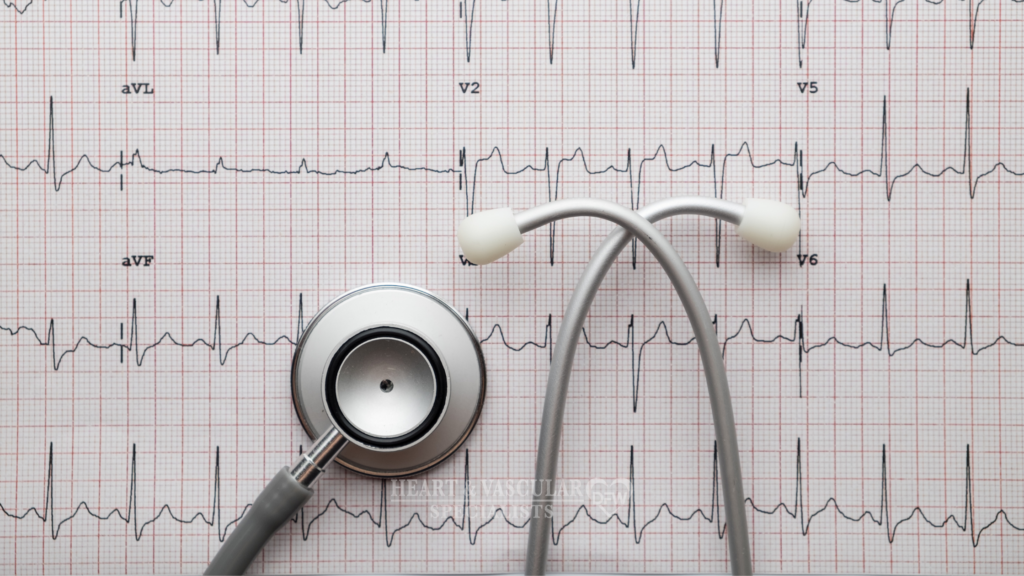
When Should Palpitations Be Evaluated by a Cardiologist?
You should consider seeing a cardiologist in DFW if palpitations are:
Frequent or worsening
Lasting more than a few seconds at a time
Associated with dizziness, shortness of breath, or chest discomfort
Triggered by minimal exertion
Accompanied by fainting or near-fainting
Occurring in patients with heart disease or family history
If symptoms are sudden, severe, or associated with collapse, seek emergency care immediately.
How Cardiologists Evaluate Irregular Heartbeats
At Heart & Vascular Specialists DFW, evaluating palpitations begins with listening—understanding your symptoms, triggers, and medical history.
Diagnostic Tools May Include
Electrocardiogram (EKG/ECG)
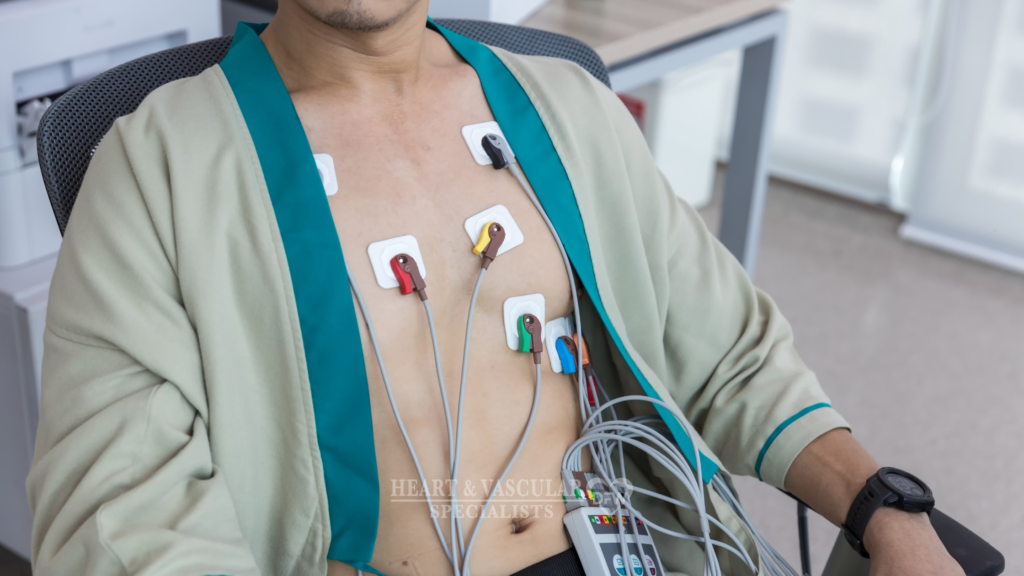
Mobile cardiac rhythm monitoring (Holter or extended monitors)
Stress testing (if exertion-related symptoms are present)
Echocardiography to assess heart structure
Blood tests when indicated
Because many arrhythmias are intermittent, longer-term monitoring often provides the most useful information.
Why Symptoms Sometimes Come and Go
Many arrhythmias occur sporadically, which can make them difficult to detect during a short office visit. That’s why wearable monitors play a valuable role in correlating symptoms with heart rhythm activity.
Capturing these episodes allows your cardiologist to:
Confirm or rule out arrhythmias
Identify patterns or triggers
Decide whether treatment is needed
Treatment Options for Irregular Heartbeats
Treatment depends on:
The type of arrhythmia
Severity and frequency of symptoms
Underlying heart health
Personal risk factors
Common Management Approaches
Lifestyle and trigger modification
Medications to control heart rate or rhythm
Blood thinners when stroke risk is elevated
Device management (such as pacemaker follow-up when applicable)
Not every arrhythmia requires aggressive treatment, but every confirmed arrhythmia deserves a thoughtful plan.
Can Anxiety Cause Palpitations?
Yes—anxiety and panic can cause palpitations. However, anxiety should never be assumed without ruling out cardiac causes first.
Many patients with true arrhythmias are initially told their symptoms are stress-related. Proper evaluation ensures the correct diagnosis and appropriate reassurance or treatment.
Who Is at Higher Risk for Arrhythmias?
Risk factors include:
High blood pressure
Heart disease or prior heart attack
Diabetes
Sleep apnea
Excess alcohol use
Family history of arrhythmias
Aging
Patients with these risk factors should be especially attentive to new or changing symptoms.
Why Early Evaluation Makes a Difference
Detecting arrhythmias early can:
Improve symptom control
Reduce long-term complications
Prevent unnecessary emergency visits
Provide peace of mind
Even when palpitations are found to be benign, patients often feel relief knowing their heart has been thoroughly evaluated.
Patient-Centered Arrhythmia Care in DFW
At Heart & Vascular Specialists DFW, we are a physician-owned, physician-led cardiology practice focused on individualized care—not rushed visits or one-size-fits-all answers.
What Sets Our Care Apart
Time to listen and understand symptoms
Thoughtful diagnostic evaluation
Clear explanations and education
Personalized care plans
Direct access to experienced cardiologists
Our goal is to help you understand what your heart is doing—and what to do next.
Are heart palpitations always serious?
Can palpitations happen even if my heart is healthy?
What if my palpitations stop before my appointment?
Should I avoid exercise if I have palpitations?

When in Doubt, Get Checked
Heart palpitations are one of the most common reasons patients seek cardiology care—and for good reason. While many causes are benign, others require medical attention to reduce long-term risk and improve quality of life.
If you’re experiencing palpitations, irregular heartbeats, or unexplained symptoms, don’t wait for clarity to come on its own.
Schedule Your Heart Rhythm Evaluation in Dallas–Fort Worth
If you’re searching for answers about heart palpitations, arrhythmia symptoms, or atrial fibrillation, our team is here to help with thoughtful, comprehensive evaluation and care.
Schedule your appointment today and take the next step toward understanding your heart rhythm with confidence.