


Peripheral Artery Disease (PAD) is a common but frequently underdiagnosed vascular condition that affects millions of Americans—often without them realizing it.
Many people attribute early symptoms to aging, arthritis, or muscle strain, delaying evaluation until the disease becomes advanced.
One of the most common warning signs is leg pain while walking, a symptom that should never be ignored.
At Heart & Vascular Specialists DFW, we specialize in early detection, evaluation, and management of PAD, helping patients address circulation problems before they lead to serious complications.
This guide explains what is Peripheral Artery Disease (PAD), how to recognize it, why early diagnosis matters, and when to seek care from a vascular specialist in Dallas–Fort Worth.
Table of Contents
What Is Peripheral Artery Disease (PAD)?
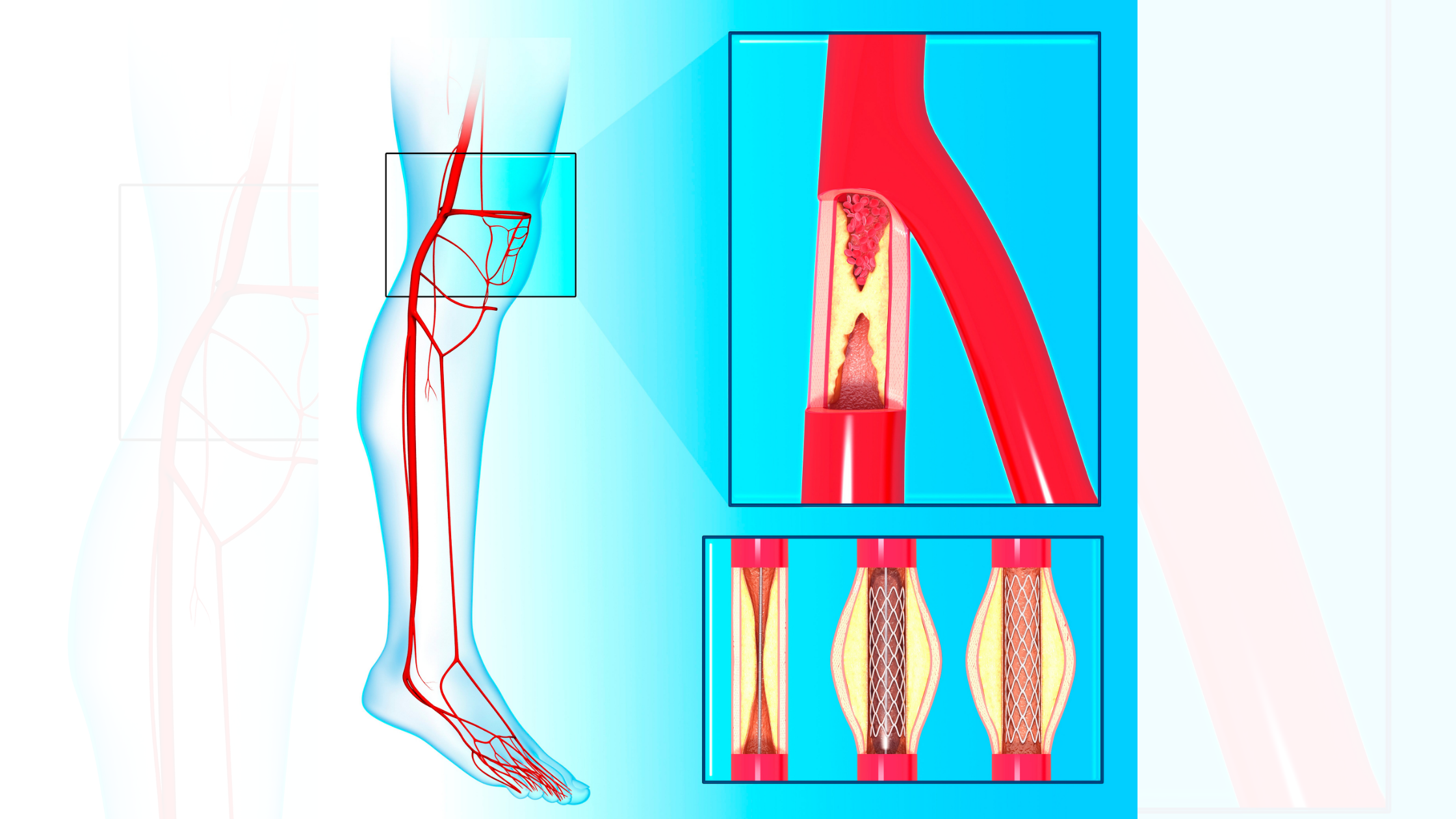
Peripheral Artery Disease is a condition in which arteries outside the heart—most commonly those supplying the legs—become narrowed or blocked due to plaque buildup.
This limits blood flow to muscles and tissues, especially during activity.
PAD is part of a broader condition known as atherosclerosis, the same process that causes coronary artery disease and stroke.
How Common Is PAD?
PAD affects:
- Over 8–10 million people in the United States
- Adults over age 50 at higher risk
- Patients with diabetes, smoking history, or cardiovascular disease
Despite its prevalence, PAD is often missed because symptoms may be subtle or mistaken for non-vascular problems.
Why Peripheral Artery Disease Is Often Overlooked
Many patients delay seeking care because:
- Symptoms develop gradually
- Pain may stop with rest
- Discomfort feels “muscular” rather than circulatory
- Patients assume leg pain is due to aging or joint problems
Unfortunately, ignoring PAD allows the disease to progress, increasing the risk of limb complications and cardiovascular events.
Common Symptoms of Peripheral Artery Disease
Symptoms vary depending on severity and location of blockages.
Early Symptoms
- Leg pain while walking (claudication)
- Cramping in calves, thighs, or buttocks
- Fatigue or heaviness in the legs
- Slower walking pace
Advanced Symptoms
- Pain at rest (especially in feet or toes)
- Non-healing wounds or ulcers
- Skin discoloration
- Cold or numb feet
- Hair loss on legs
- Weak or absent pulses
Leg Pain Walking: A Key Warning Sign
Leg pain walking, known medically as intermittent claudication, is one of the hallmark symptoms of PAD.
What Makes PAD-Related Leg Pain Different?
- Occurs during walking or exertion
- Improves with rest
- Returns consistently with activity
- Often affects the same muscle group
This pattern reflects reduced blood flow during activity, when muscles demand more oxygen than narrowed arteries can deliver.
PAD vs Other Causes of Leg Pain
Leg pain can come from many causes, including:
- Arthritis
- Sciatica or nerve issues
- Muscle strain
- Spinal stenosis
However, PAD pain typically:
- Is reproducible with walking
- Improves quickly when activity stops
- Feels like cramping, tightness, or fatigue
Only a proper vascular evaluation can determine the true cause.
Why Early Diagnosis of PAD Matters
Early detection allows physicians to:
- Slow disease progression
- Reduce symptoms
- Lower risk of heart attack and stroke
- Prevent limb complications
- Improve walking ability and quality of life
PAD is not just a leg condition—it is a marker of widespread vascular disease.
PAD and Cardiovascular Risk
Patients with PAD have a significantly increased risk of:
- Heart attack
- Stroke
- Cardiovascular-related death
This is why PAD diagnosis often leads to broader cardiovascular risk assessment and management.
Who Is at Risk for Peripheral Artery Disease?
Risk factors include:
- Smoking history (current or former)
- Diabetes
- High blood pressure
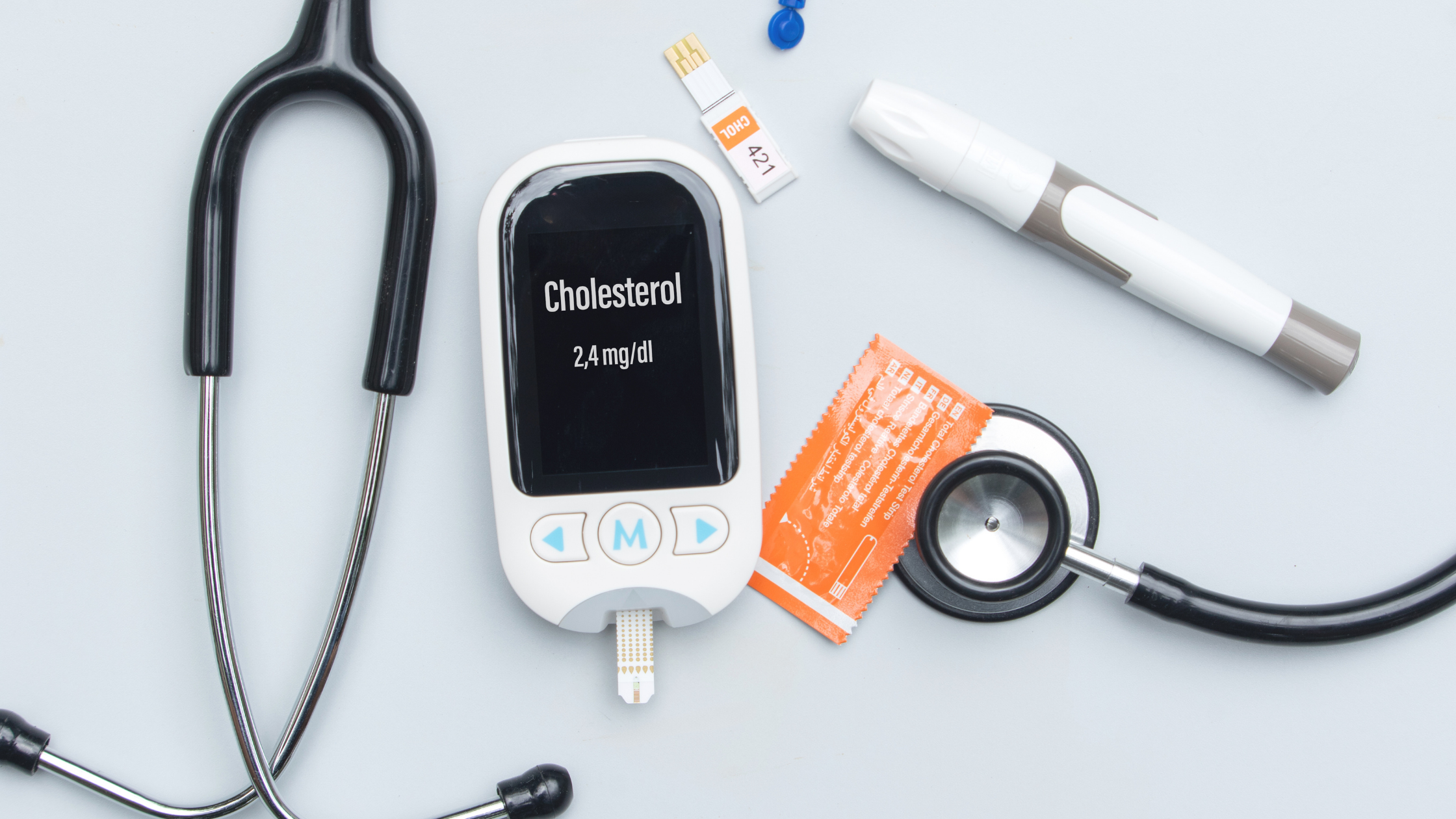
- High cholesterol
- Obesity
- Family history of vascular disease
- Age over 50
Patients with multiple risk factors should be especially attentive to symptoms.
How PAD Is Diagnosed
At Heart & Vascular Specialists DFW, diagnosing PAD begins with a thorough clinical evaluation and non-invasive testing.
Common Diagnostic Tools
- Physical examination and pulse assessment
- Ankle-Brachial Index (ABI)
- Peripheral arterial ultrasound
- Imaging studies when necessary
These tests help determine:
- Presence of blockages
- Severity of disease
- Appropriate treatment approach
What Is ABI Testing?
The Ankle-Brachial Index compares blood pressure in the arms and legs to assess blood flow.
- Simple and non-invasive
- Performed in-office
- Helpful for early PAD detection
ABI is often one of the first steps in evaluating leg symptoms.
PAD Treatment Options
PAD treatment is individualized based on disease severity, symptoms, and overall health.
Medical Management
- Lifestyle modification (exercise, smoking cessation)
- Blood pressure and cholesterol management
- Medications to reduce symptoms and cardiovascular risk
Interventional PAD Treatment
For patients with significant symptoms or advanced disease:
- Angioplasty
- Stenting
- Atherectomy
- Laser-based interventions
These procedures aim to improve blood flow and relieve symptoms.
When Is PAD Treatment Necessary?
Treatment may be recommended if:
- Leg pain limits daily activities
- Symptoms worsen over time
- Wounds do not heal
- Blood flow is severely reduced
Early evaluation allows for less invasive options and better outcomes.
PAD in Patients Without Symptoms
Some patients have asymptomatic PAD, meaning blockages are present without noticeable leg pain. Even in these cases, diagnosis is important due to elevated cardiovascular risk.
Screening may be recommended for high-risk individuals—even without symptoms.
Why Screening Matters
PAD screening can:
- Identify disease before symptoms worsen
- Prompt risk factor management
- Reduce future cardiovascular events
Early screening supports proactive, preventive care.
Vascular Expertise at Heart & Vascular Specialists DFW
As a physician-owned, physician-led practice, Heart & Vascular Specialists DFW provides comprehensive vascular evaluation and care—without rushed visits or one-size-fits-all decisions.
What Patients Can Expect
- Thorough symptom review
- In-office vascular testing
- Clear explanations of results
- Personalized treatment planning
- Long-term cardiovascular risk management
Our goal is to help patients understand their circulation, protect their limbs, and reduce heart-related risks.
Common FAQs about Peripheral Artery Disease
Is PAD reversible?
Does PAD only affect older adults?
Can PAD cause leg swelling?
Should leg pain always be evaluated?

When to See a Vascular Specialist in DFW
You should schedule an evaluation if you experience:
- Leg pain while walking
- Reduced walking distance
- Non-healing sores on feet or legs
- Cold or numb legs or feet
- Known cardiovascular risk factors
Do not wait for symptoms to worsen before seeking care.
Why Choose Heart & Vascular Specialists DFW for PAD Care
✔ Board-certified cardiologists with vascular expertise
✔ In-office screening and diagnostic testing
✔ Personalized, patient-centered care
✔ Focus on prevention and long-term health
✔ Convenient care for Dallas–Fort Worth patients
Take the Next Step: Schedule Your PAD Evaluation
Peripheral Artery Disease often progresses quietly—but the consequences can be serious if ignored. The good news is that early evaluation and treatment make a meaningful difference.
If you’re experiencing leg pain walking, have circulation concerns, or are at risk for PAD, the team at Heart & Vascular Specialists DFW is here to help.
Schedule your vascular screening today and take a proactive step toward protecting your circulation and long-term heart health.